
VHF Radio Operator Certificate

Essential for captains of both sail and power-driven vessels, this one-day course teaches you the correct procedure for operating a marine VHF radio.
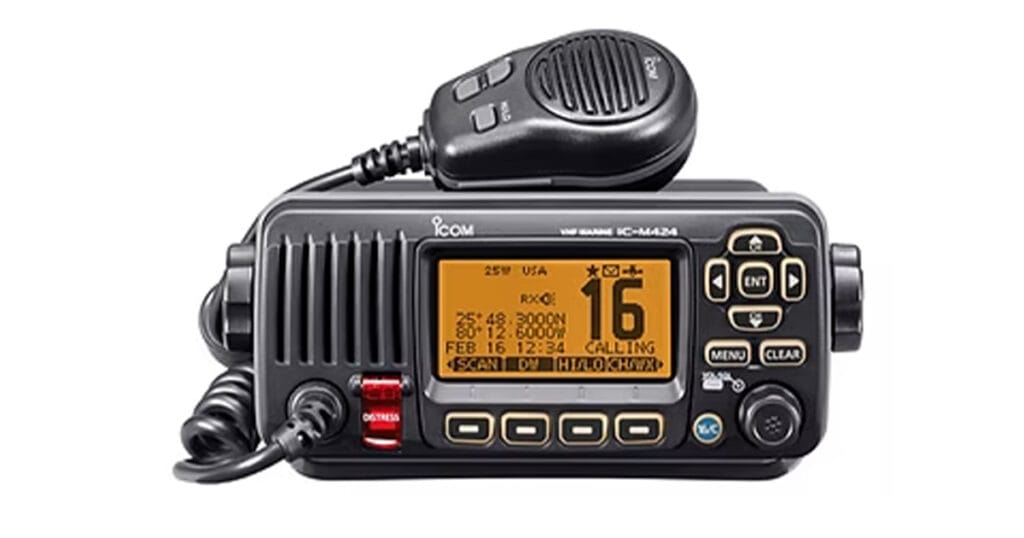
Fixed marine VHF radio with microphone used for marine communications training

Radio Theory:

How a radio works

  • Use of inboard and handheld VHF
  • Emergency calls (Mayday, Pan Pan)
  • Phonetic alphabet and procedure words
  • GMDSS and Search and Rescue Operations
  • Radio conventions and correct procedures

In 1912, the sinking of the RMS Titanic changed how the world viewed maritime safety.

The event was the catalyst for the formation of the International Convention for the Safety of Life at Sea (SOLAS).

Over the years, SOLAS has introduced minimum guidelines that flag states must comply with.

Fixed marine VHF radio with microphone used for marine communications training
  • In particular, Chapter IV of SOLAS V requirements deals with Radio Communications equipment.
  • Internationally, the International Maritime Organisation (IMO) regulates marine communications and is advised by the International Telecommunication Union (ITU).
  • They developed the Global Maritime Distress and Safety System (GMDSS), an internationally agreed-upon set of safety procedures, types of equipment, and
  • Communication protocols to enhance safety and facilitate the rescue of distressed boats and aircraft.
  • Whilst not all vessels are bound to carry GMDSS equipment, it is recommended that they should at least carry some form of radio communication in case of distress and danger.
  • Mobile or Cell phones are readily available nowadays and have their uses, but should not be relied on alone when at sea.
  • Coverage can be extremely limited offshore and would not be effective in an emergency.

Accuracy of Information

While this course aims to teach the International scope of each topic as accurately as possible, it is impossible to list all differences for every country.

It is the duty of all Marine VHF operators to know and understand any local Laws and Procedures required by their own Flag State when operating Marine Communications Equipment registered in that state. 

We can offer this course in our classrooms in Krabi or Phuket.

Theory will be covered by an instructor, with opportunities for you to make use of the equipment, before taking a written assessment to complete the course.